
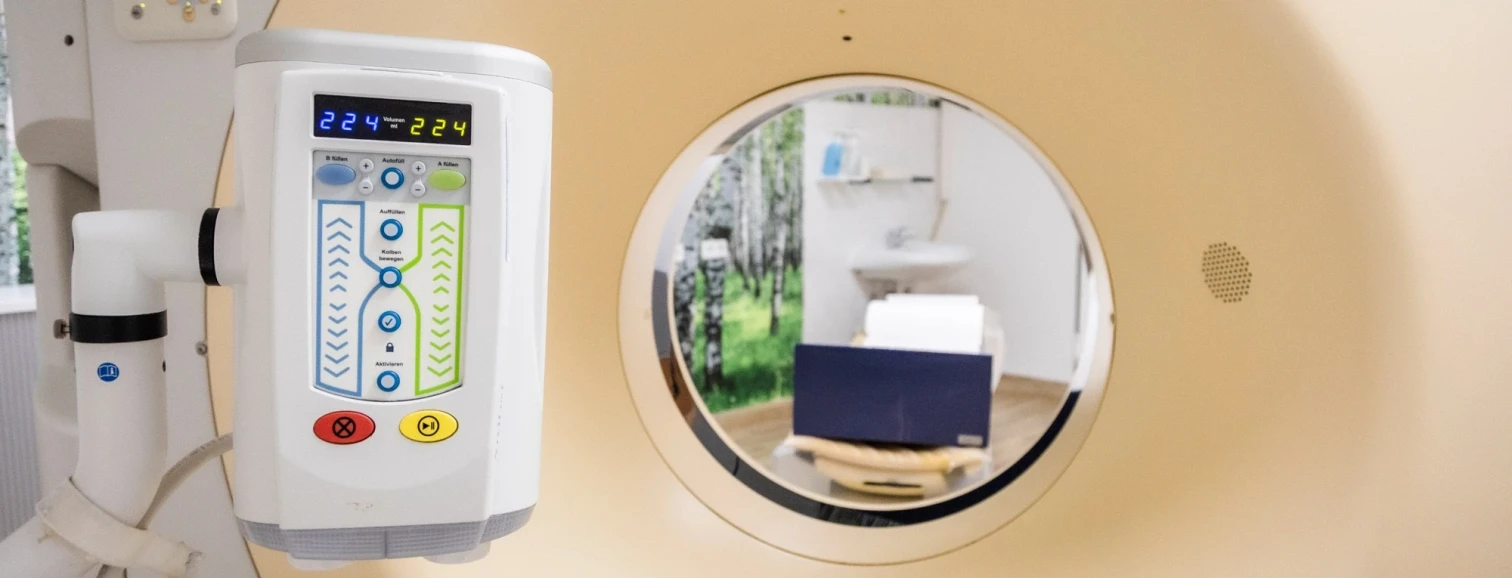
In today s fast-evolving health care landscape, the intersection of personalized medicate and hi-tech technology is transforming patient role care. Personalized examination and handling with study excellence is no thirster a futuristic concept; it is a concrete reality that empowers both healthcare professionals and patients with more correct nosology, customised handling plans, and cleared outcomes.
The Importance of Personalized Medicine
Every person is biologically unique, and diseases often demonstrate otherwise from someone to mortal. Traditional one-size-fits-all handling approaches can sometimes be ineffective or even vesicant. Personalized medicate focuses on understanding the unusual genic, environmental, and life-style factors of each patient role. By tailoring examinations and treatments specifically to the patient, health care providers can achieve higher winner rates and minimise unfavourable effects.
For example, in oncology, personal approaches such as genomic profiling help identify particular mutations in malignant neoplastic disease cells, allowing oncologists to prescribe targeted therapies. This not only improves treatment potency but also reduces supererogatory exposure to beamy-spectrum chemotherapy, which can have terrible side effects.
Technological Innovations Driving Excellence
The role of engineering science in enhancing personalized care cannot be overstated. Cutting-edge tools and systems are now available to support precise CT Wolfsburg and personal handling strategies. Some of the most authoritative technological advancements include:
Artificial Intelligence(AI) and Machine Learning: AI algorithms can analyze vast amounts of checkup data to find patterns that may be hidden to the man eye. In nosology, AI can place perceptive anomalies in tomography scans, anticipate disease onward motion, and propose personalized treatment plans based on existent outcomes.
Wearable Devices and Remote Monitoring: Wearables like smartwatches and biosensors allow perpetual monitoring of essential signs, natural process levels, and other wellness metrics. This real-time data helps doctors set treatments proactively, ensuring patients receive care plain to their stream physiologic position.
3D Imaging and Printing: Advanced tomography techniques such as 3D MRI and CT scans provide careful views of anatomical structures. Coupled with 3D printing process, these technologies can create affected role-specific models for operative preparation, implants, or prosthetics, drastically up preoperative accuracy and retrieval outcomes.
Telemedicine Platforms: Virtual consultations have become an essential component part of personal care. Telemedicine platforms allow patients to get at health care professionals conveniently, partake real-time health data, and receive handling recommendations without the constraints of geographical boundaries.
Genomic and Biomarker Analysis: Personalized treatments are more and more sophisticated by genomic sequencing and biomarker psychoanalysis. These technologies allow clinicians to forebode how a affected role will respond to certain drugs, identify potential side personal effects, and choose the most effective therapy.
Benefits of Personalized, Technology-Driven Care
The of personalization and technological brings many benefits to both patients and health care systems:
Improved Accuracy and Efficiency: Advanced characteristic tools tighten the likelihood of misdiagnosis and early on signal detection of diseases, leading to more operational interventions.
Patient-Centered Approach: Individualized treatment plans abide by each affected role s unusual wellness profile, life-style, and preferences, enhancing satisfaction and adhesion to treatment.
Reduced Costs and Resource Optimization: By minimizing idle treatments and hospital readmissions, personal medicate can turn down healthcare costs over time.
Enhanced Predictive Care: Predictive analytics battery-powered by AI helps place at-risk patients before conditions escalate, facultative preventive care and timely interventions.
Empowered Patients: Technological tools give patients greater access to their health data, fostering participation, informed decision-making, and proactive wellness direction.
Challenges and Future Directions
Despite its forebode, implementing personal testing and treatment is not without challenges. High of sophisticated technologies, data concealment concerns, and the need for specialised preparation for healthcare providers are notable barriers. Moreover, integrating boastfully-scale health data into unjust insights requires unrefined substructure and regulatory supervision.
Looking out front, the intersection of AI, genomics, vesture engineering science, and telemedicine will continue to refine personal care. Predictive and preciseness medicine will become more accessible, shifting healthcare from sensitive handling to proactive wellness. Hospitals and clinics embracing bailiwick excellence will be at the cutting edge, offering quicker, safer, and more nice care plain to each patient.
Conclusion
Personalized examination and treatment with technical excellence represents the future of health care. By leverage thinning-edge technologies, health care providers can deliver personalised care that maximizes efficacy, minimizes risks, and enhances patient gratification. As innovations preserve to emerge, the spinal fusion of personalization and engineering will redefine the monetary standard of care, ensuring every affected role receives the right treatment at the right time.